5 Faux Wall Panel Mistakes That Are Costing You Style
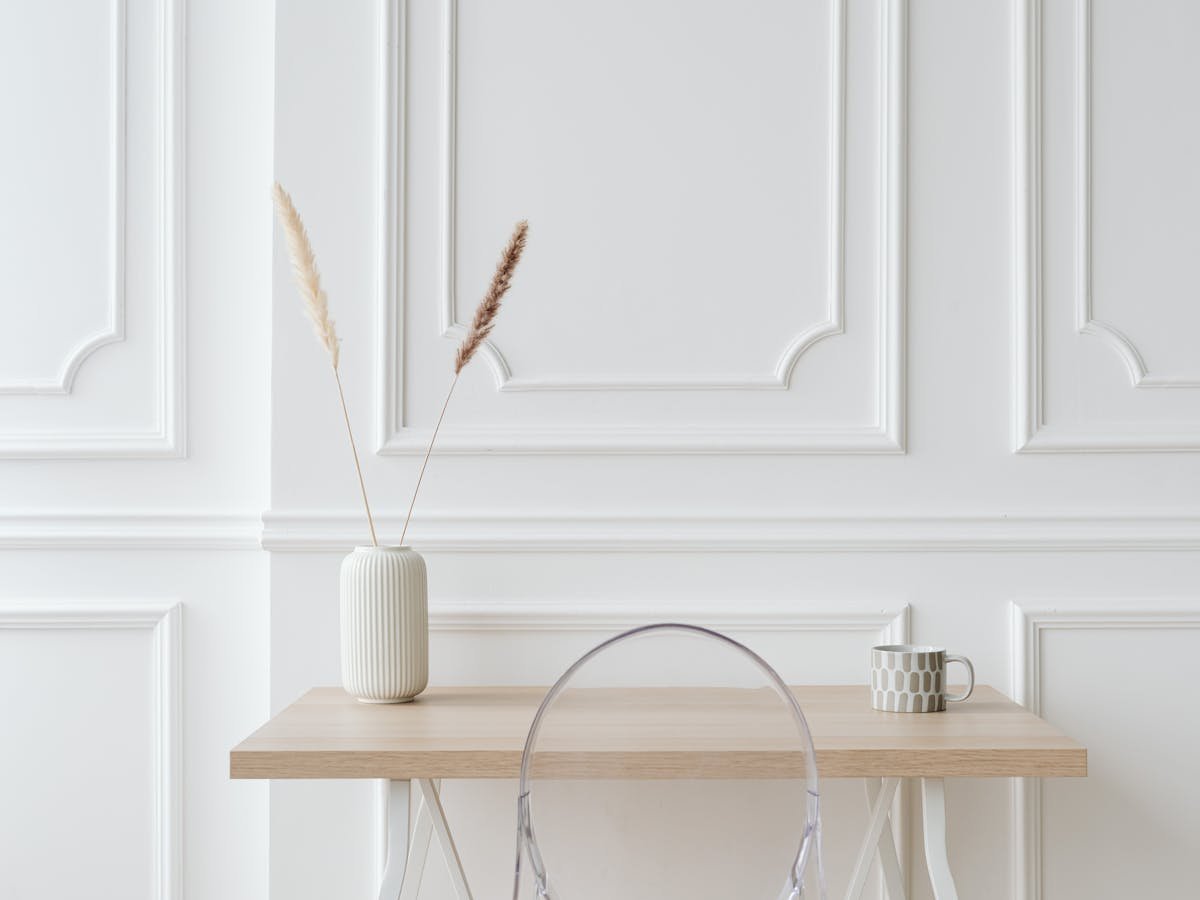
Key Takeaways
The material you choose for faux wall panels plays a huge role in a room’s overall look. If the textures don’t match, it can really disrupt the whole decor vibe.
Sure, opting for inexpensive materials for faux panels might seem like a savvy way to save cash at first, but in reality, this choice often leads to disappointing wear and a flat design.
When it comes to interior design, color selection is essential. Picking shades that clash can easily ruin the cozy atmosphere you’re aiming for in your space.
Faux wall panels have the power to elevate a room’s aesthetic and character, especially when the colors blend seamlessly with the overall palette of your home.
Trying to install faux panels on your own can result in expensive missteps, making it worth your while to consider professional installation for quality and appearance.
Getting measurements right is crucial; even small mistakes can lead to big issues down the line when you’re putting up faux panels.
Faux wall panels aren’t just a passing trend. They bring timeless design options that can adapt as your tastes change over time.
Are You Using the Wrong Material for Faux Panels?
Understanding the Impact of Texture on Aesthetics
Let’s be honest, the material you choose for your faux wall panels can either elevate or completely sink a room’s vibe. I’ve seen homeowners proud of their DIY projects, only to discover later that the texture of their panels was all wrong for the space. Picture this: a rugged, stone finish clashing with sleek, modern decor. It’s off-putting, isn’t it? Picking the right texture goes beyond mere aesthetics—it’s all about creating unity and how well your space reflects who you are.
Each material offers unique visual and tactile qualities. Take wood, it brings warmth and elegance, while metals introduce an industrial flair. Here’s a crucial tidbit many overlook: the way light hits these textures can completely change the atmosphere. You know that feeling when you step into a room and everything just seems right? Or the opposite, where you feel uncomfortable? That’s often the textures at play.
Why Cheap Materials Can Sink Your Design Dreams
Let me share a bit of harsh reality. There’s no magic trick for great style. While going for cheap materials might save you some cash upfront, you’ll likely end up regretting it later. The truth? Inexpensive faux wall panels often miss the mark when it comes to depth and authenticity. Don’t be fooled into thinking you’re getting a deal; you’re actually inviting disaster.
As cheap materials start to wear out, they not only ruin your design but can also kill the atmosphere you’re trying to create. Chipped, discolored panels tell a story of indecision. Instead, think about these materials that stand the test of time:
- High-density polyurethane: Lightweight, robust, and adaptable.
- Natural wood veneers: Authentic beauty with tactile warmth.
- Textured MDF: Plenty of variety without emptying your wallet.
Steering clear of low-quality materials is a must. Place your investment wisely—your taste deserves it!
Color Choices That Could Ruin Your Faux Wall Design
How to Choose Colors That Complement Your Space
A little tip: consider the big picture—that is, the overall palette of your home, not just the room where you plan to put the faux panels. Cohesion is everything. Spruce up your palette with contrasting or complementary shades. A classic pairing like blue and gray can refresh a dull room without overwhelming it. Got some recommendations? Here’s a shortlist:
- Soft, muted shades for serenity.
- Rich, deep colors to create an eye-catching focal point.
- Earth tones for a natural vibe.
I can’t stress enough how these choices shape your sanctuary. Colors have a voice; make sure it’s sweet.
The Psychology of Color in Interior Design
Colors carry weight. Each shade has its own psychological impact, adjusting moods and perceptions along the way. For instance, blue tends to soothe, while red can spark energy. Think about what you want from your space. If tranquility is the goal, pairing gentle greens or blues with your faux panels might just do the trick.
“Understanding color psychology transforms mere aesthetics into emotional resonance.”
Dig a bit deeper and consider the environments that draw you in. If you find yourself naturally inclined to earthy, peaceful tones, why not embrace that in your home? These choices aren’t just decorative—they’re deeply personal. Here’s what you need to keep in mind:
- Colors evoke feelings. Choose with care.
- Neutral hues can enhance elegance while supporting brighter accents.
- Test colors in different lighting; what seems appealing in a store may disappoint at home.
In practice, playing around with colors can lead to exciting discoveries. Channel your inner artist!
Installation Fails: Common Mistakes You Can Avoid
The Dangers of DIY vs. Professional Installation
Ah, the temptation of DIY. It promises freedom, creativity, and money-saving. But the reality can often veer towards disaster in terms of faux wall panel results. I’ve watched friends dive headfirst into the “I can totally handle this” mindset, ignoring the complexities of the installation process. Let me put it this way: hanging faux panels isn’t just about slapping some glue on and sticking them to the wall.
DIY blunders can lead to misaligned panels and annoying gaps, ultimately ruining your design vision. Professionals have the skills and expertise to turn your ideas into polished results. But do you really need to hire an expert? Consider these pointers:
- Time vs. Skill – do you have a balance?
- Tools – are you equipped with the necessary equipment?
- Patience – less stress might just be worth the extra expense.
Sometimes spending a bit more on a professional can save you from future headaches and costly fixes.
How Proper Measurement Makes All the Difference
Measuring seems straightforward, right? But the number of times I’ve heard someone go “Oops, I didn’t measure correctly” is shocking. Accurate measurements are the backbone of any successful installation. A tiny error can snowball into a mess of mismatched panels. Just think about it—a beautifully chosen panel rendered useless just because it’s a few inches short. Yikes!
Take a breath, measure twice (or even three times). Lay everything out before you commit. It may be tedious, but it’s absolutely worth it. Here’s a checklist to help ensure your measurements are spot on:
- Get your wall dimensions just right.
- Consider any existing features like windows or doors.
- Account for spacing between panels.
Thinking Faux Panels Are Just a Trend? Think Again!
Timeless Styles: Faux Panels That Never Go Out of Fashion
If you think faux panels are just a passing trend, let me clear that up for you. Vintage design is making a strong return. Faux wall panels can bring that rustic charm or sleek modern flair to your space. They’re adaptable and always stylish—with the right execution, of course. Choose wisely, and your faux panels won’t just age well; they’ll evolve with your style.
Consider timeless styles that resonate through the decades. For instance, reclaimed wood finishes can radiate warmth and nostalgia, or go for reclaimed brick for that gritty charm that adds character. Here’s why faux panels stick around:
- Versatility allows you to reshape your style as needed.
- They’re cost-effective compared to true materials.
- Durability makes them great for a variety of settings.
Modern designs aim to blend charm with functionality, and faux panels deliver on that promise time after time.
How to Invest Wisely in Your Home’s Aesthetic
This isn’t just about a quick fix for your space. Investing in your home’s aesthetic is a long-term vision. Whenever I think about how to enhance a space, I keep coming back to the notion of value—both in terms of money and emotional investment. You want pieces that resonate deeply. Seek out premium materials, quality installations, and designs with staying power. That’s the best approach.
“Style is a long game – it evolves as you do.”
Faux wall panels can fit perfectly into this growth vision. Don’t cut corners on essentials. Smart investment in a style that reflects you will pay off in ways beyond appearances. Keep this in mind:
- Quality trumps trends every time.
- Design with your lifestyle at the forefront.
- Look beyond mere aesthetics; aim for emotional connection.
In the end, your home should feel like a reflection of yourself. That’s the goal, isn’t it?
FAQ
What are the best materials for faux wall panels?
High-density polyurethane is a top pick—lightweight, tough, and super versatile. Natural wood veneers add a lovely warmth, and textured MDF gives you plenty of options without breaking the bank. Just avoid cheap stuff; it’ll disappoint you.
How can I maintain the look of my faux wall panels over time?
Regular cleaning is essential. A gentle cleaner and a soft cloth or sponge will do—stay away from harsh chemicals that might hurt the finish. Also, think about applying a protective sealant every few years to keep them looking fresh and lively.
Can I mix different types of faux panels in one space?
Absolutely! Just ensure there’s a common color scheme or textural theme. I’ve seen eclectic spaces thrive when thoughtfully combined; mixing rustic styles with modern pieces can create an engaging atmosphere when done thoughtfully. So go ahead, experiment!
What are common faux wall panel installation pitfalls to avoid?
Miscalculating measurements is a classic mistake. Gaps or misalignments can wreck the entire look. Also, don’t skip the wall priming and prepping—this isn’t merely optional. Take your time; it’ll be worthwhile in the long run.










Post Comment